Chasing Light: How I Photograph Airbnbs Across Sydney and the Coast
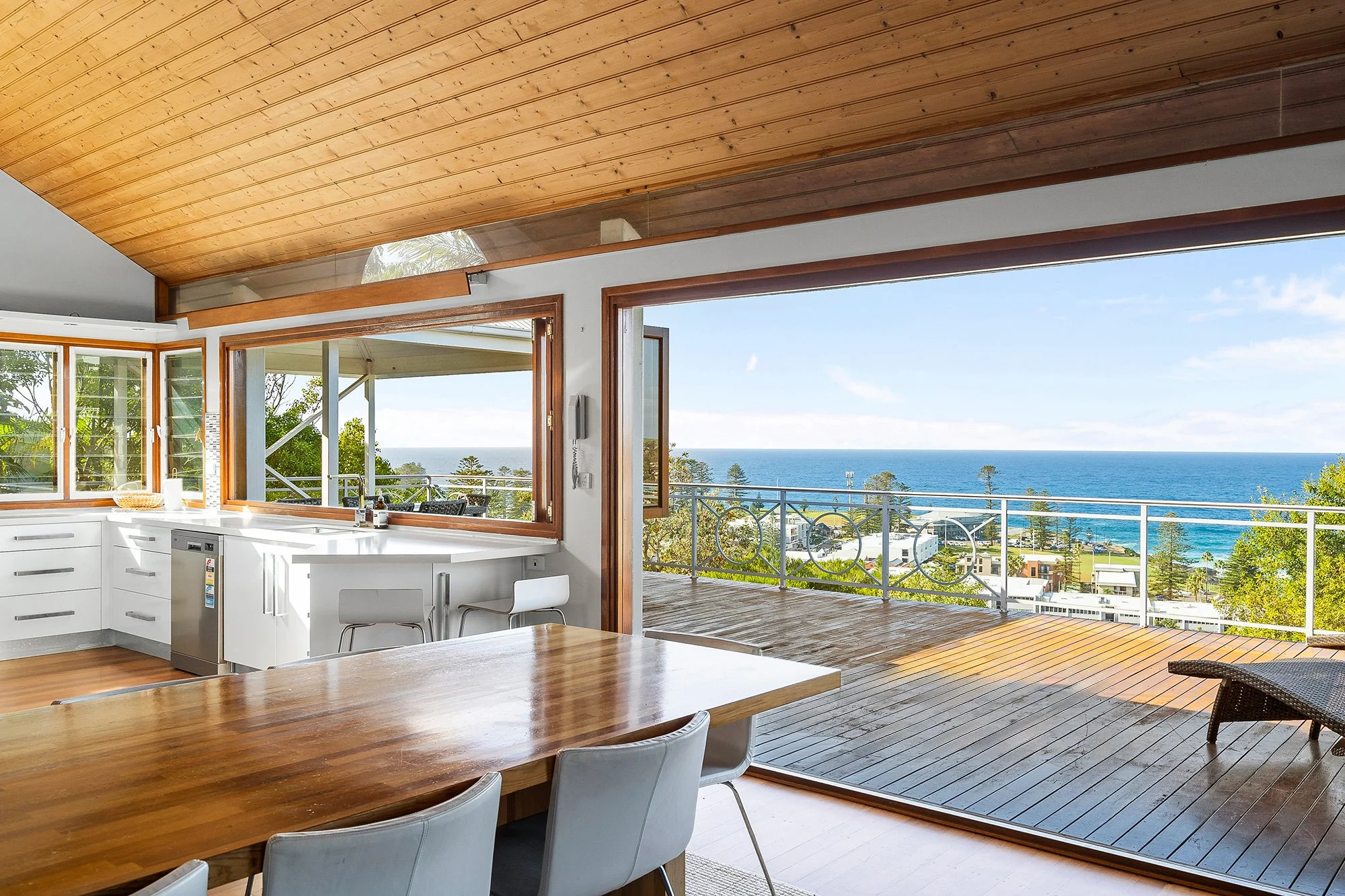
I've been shooting real estate for seven years, and short-term rentals — Airbnbs among them — for the last three. It's often assumed these are the same job with a different label. I would have to disagree. A house for sale generally needs to look like somewhere you'd want to live. A house for a two-night stay needs to look like somewhere you'd want to escape to. That distinction shapes almost every decision I make before I begin to frame a shot.
First Light
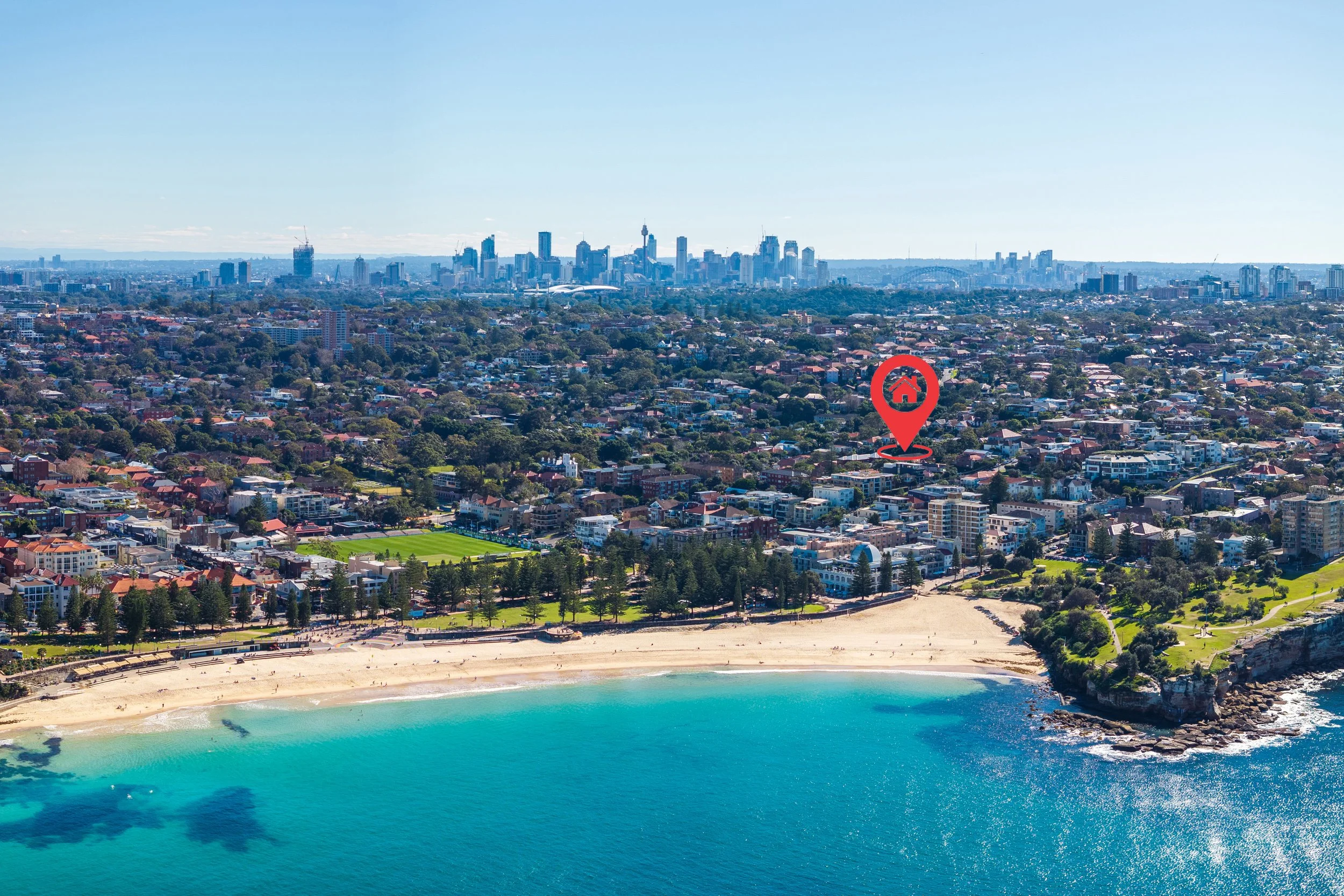
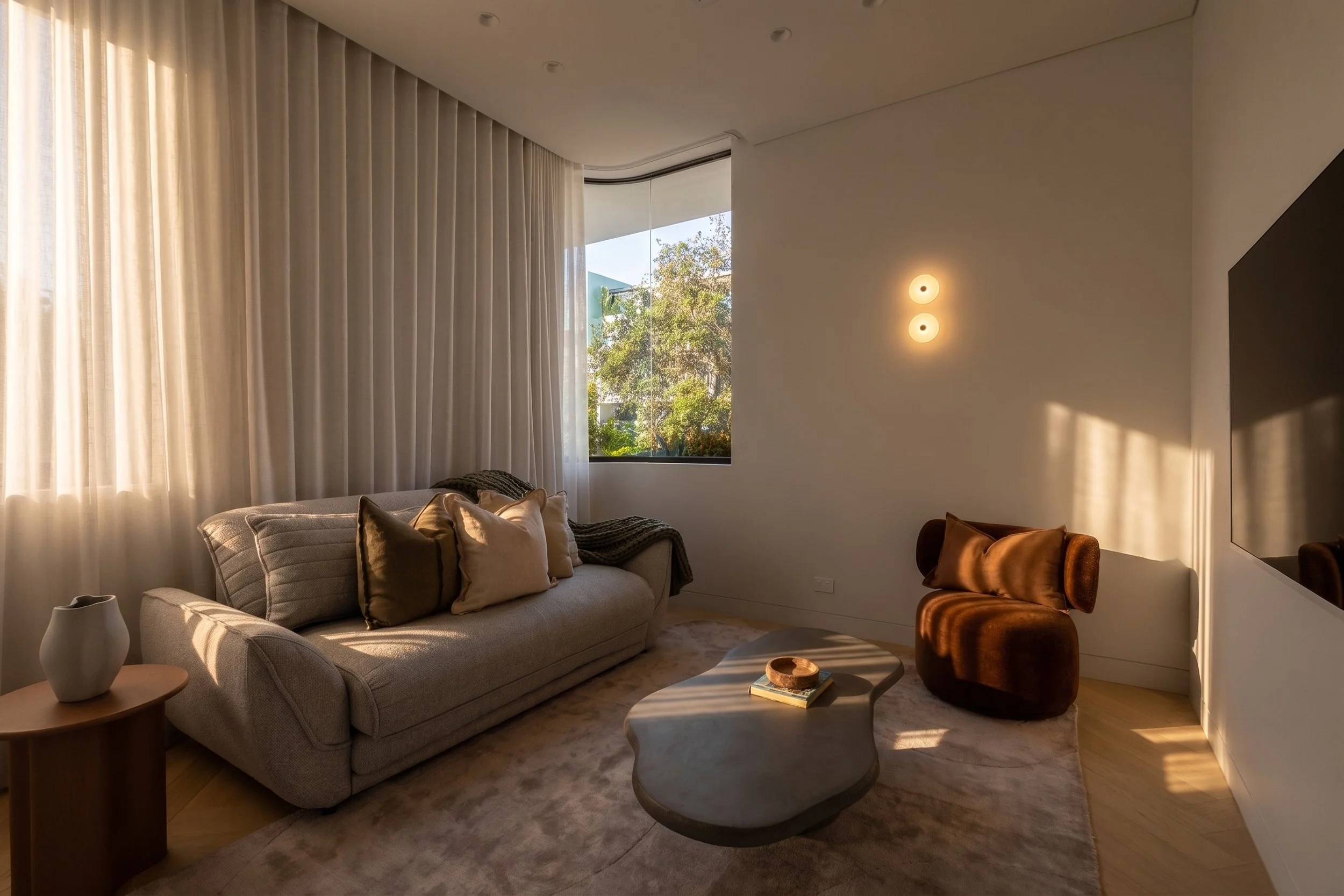
Sydney's sun is generous, but unforgiving if you're not paying attention to it. I try to arrive at eastern-facing properties — think Bondi, Coogee, the harbourside apartments around Kirribilli — right as the sun comes up, before the light turns hard and flat. West-facing properties in areas like Balmain or Rozelle, I save for late afternoon, when the light takes on that warm, honeyed quality that makes a lounge room look like something out of a lifestyle magazine. Guests are booking a feeling as much as a floor plan, and light does most of that emotional work.
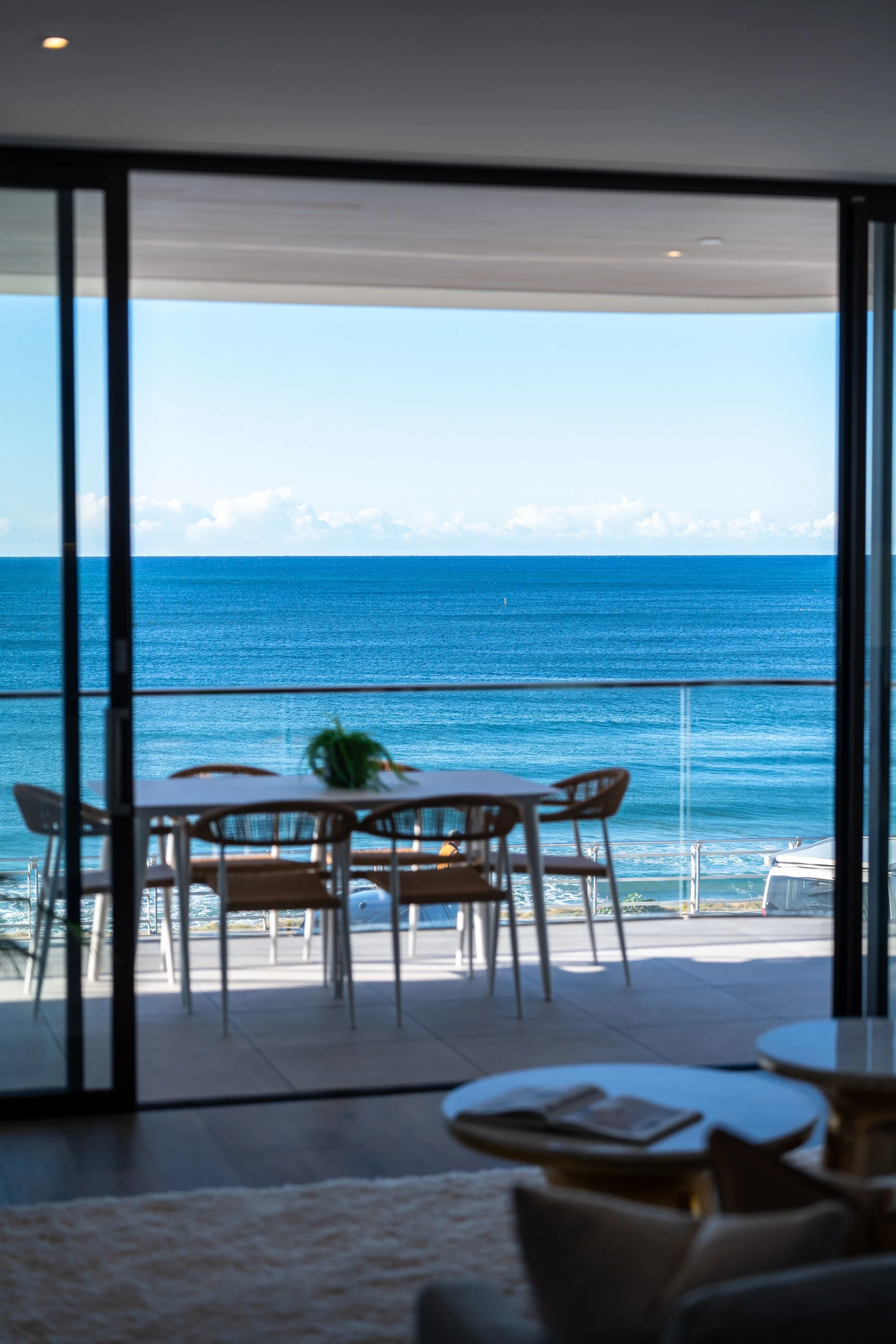
Working further afield changes the rhythm of the day. A Cronulla shoot means chasing the same early-morning glow off the beach and the bay, though it generally has to be timed around the tides — nobody wants their "steps to the sand" shot ruined by a mudflat at low tide. Wollongong is its own case entirely: properties tucked beneath the escarpment fall into shade early, so I've learned to shoot those interiors first thing and save any deck or balcony shots with an ocean view for closer to midday, when the light sits directly overhead and the water reads blue rather than grey. It means more driving and more planning the night before, but a listing with the escarpment in the background is a genuinely striking image once it's done right.
Composing for the Scroll
With a sale listing, you're photographing for one eventual owner who will fall in love with the "bones" of a place. With an Airbnb listing, you're photographing for hundreds of strangers who have never seen the property and are scrolling through a grid on their phone, half-distracted, comparing you against twenty other listings in the same suburb. That means:
The hero shot has to work at thumbnail size. If it doesn't grab attention there, nothing else matters.
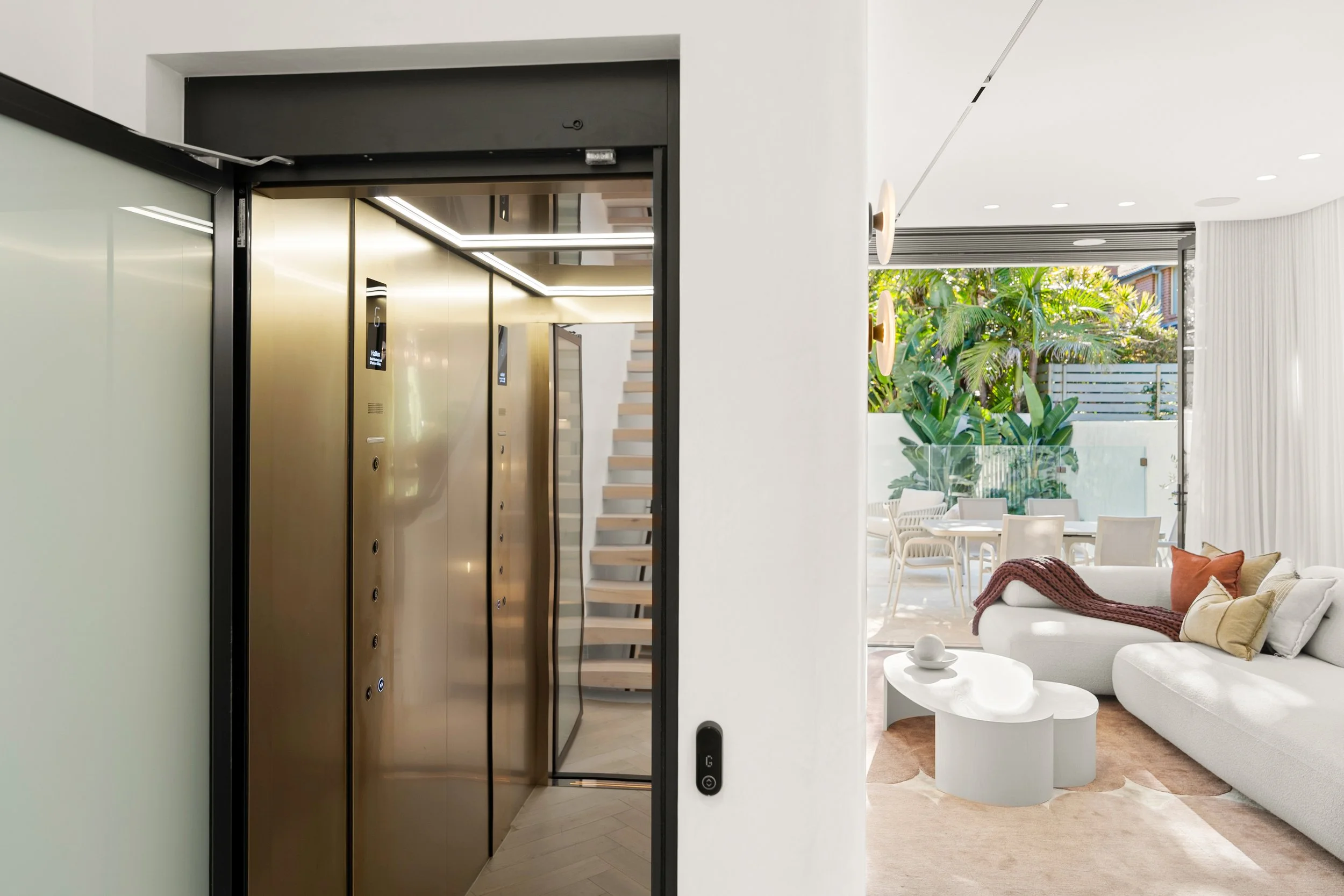
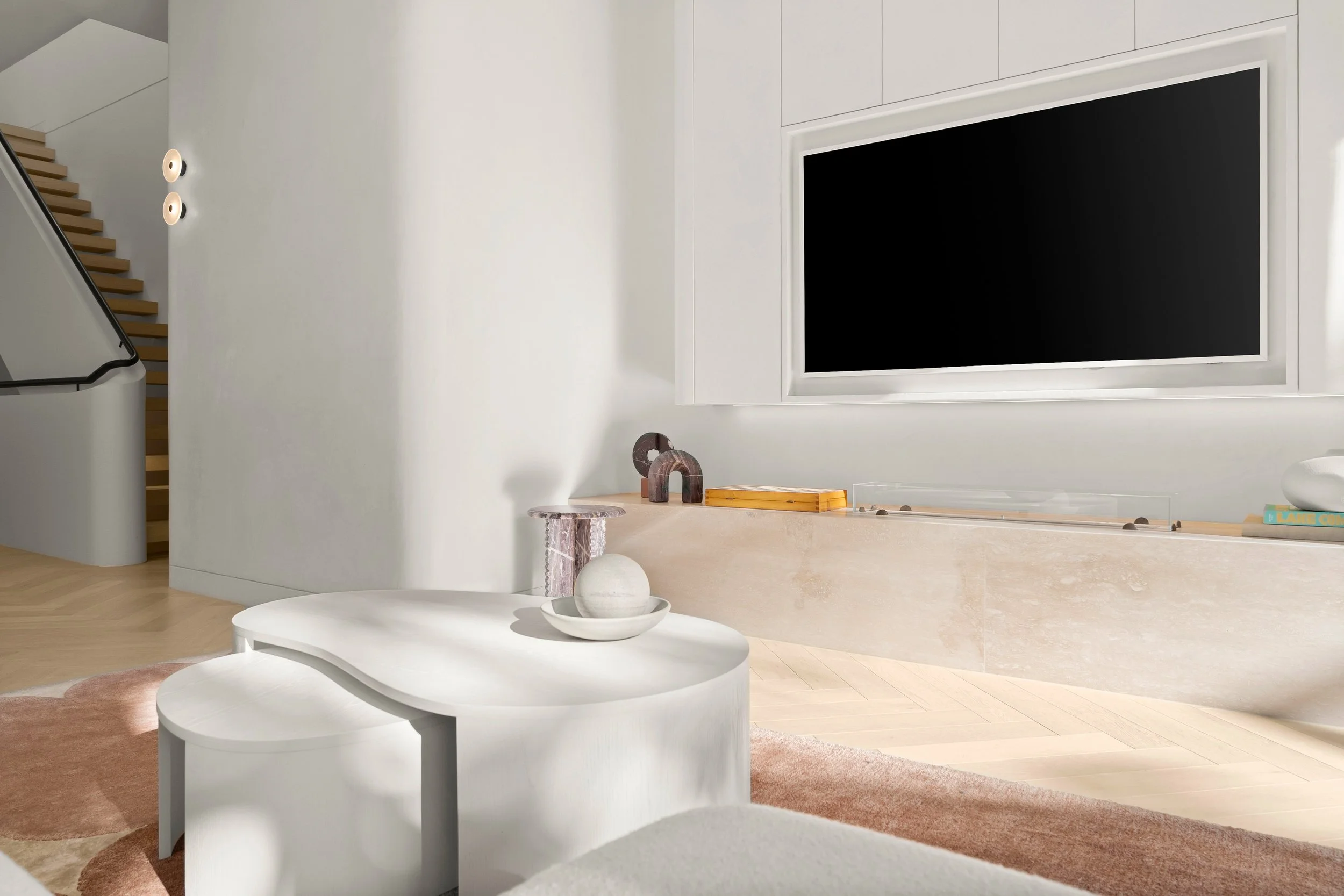
Styling has to be neutral but warm. A single vase of native flowers, a made bed, coffee cups angled just so — enough to feel lived-in without feeling like someone else's home.
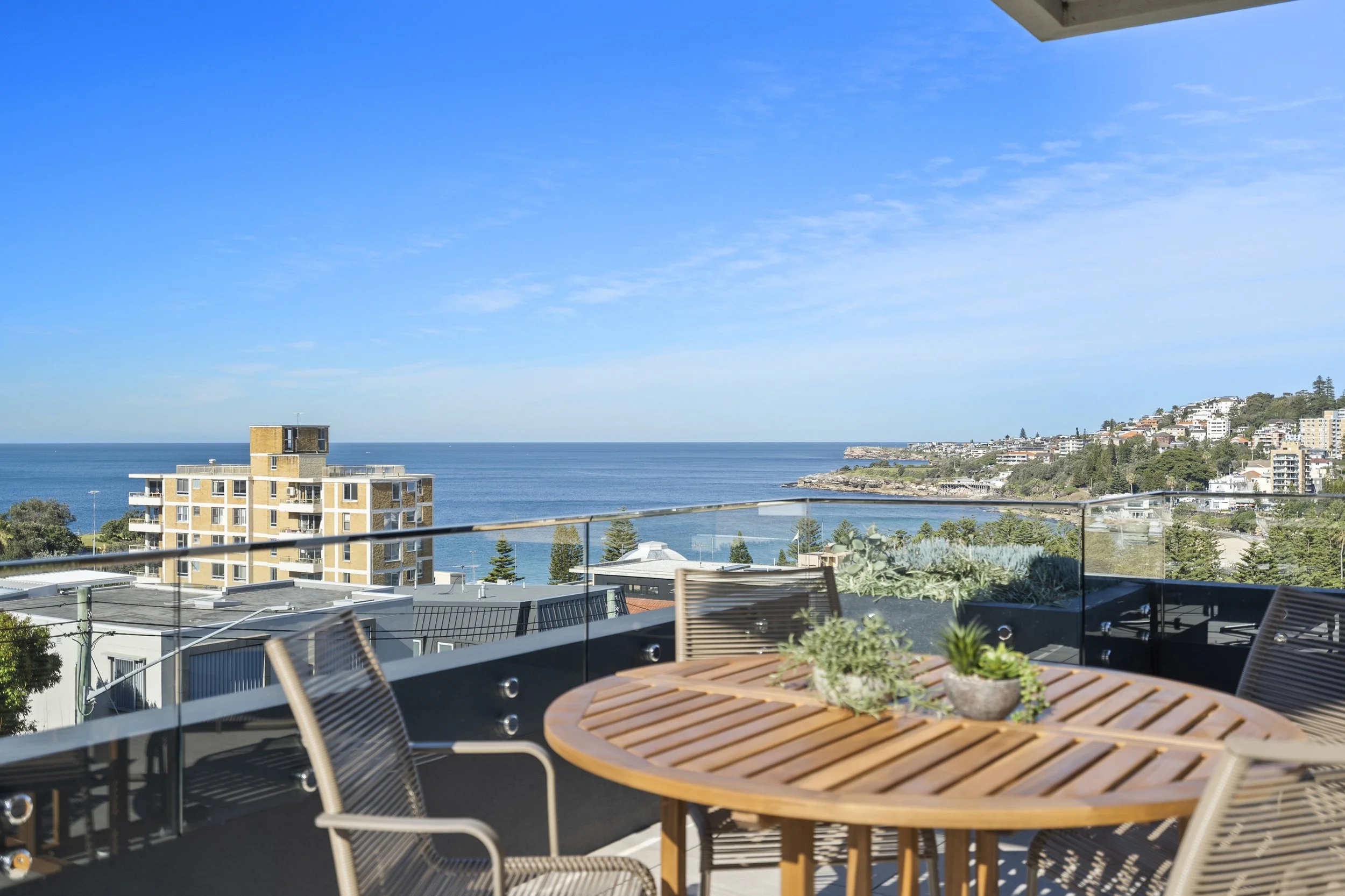
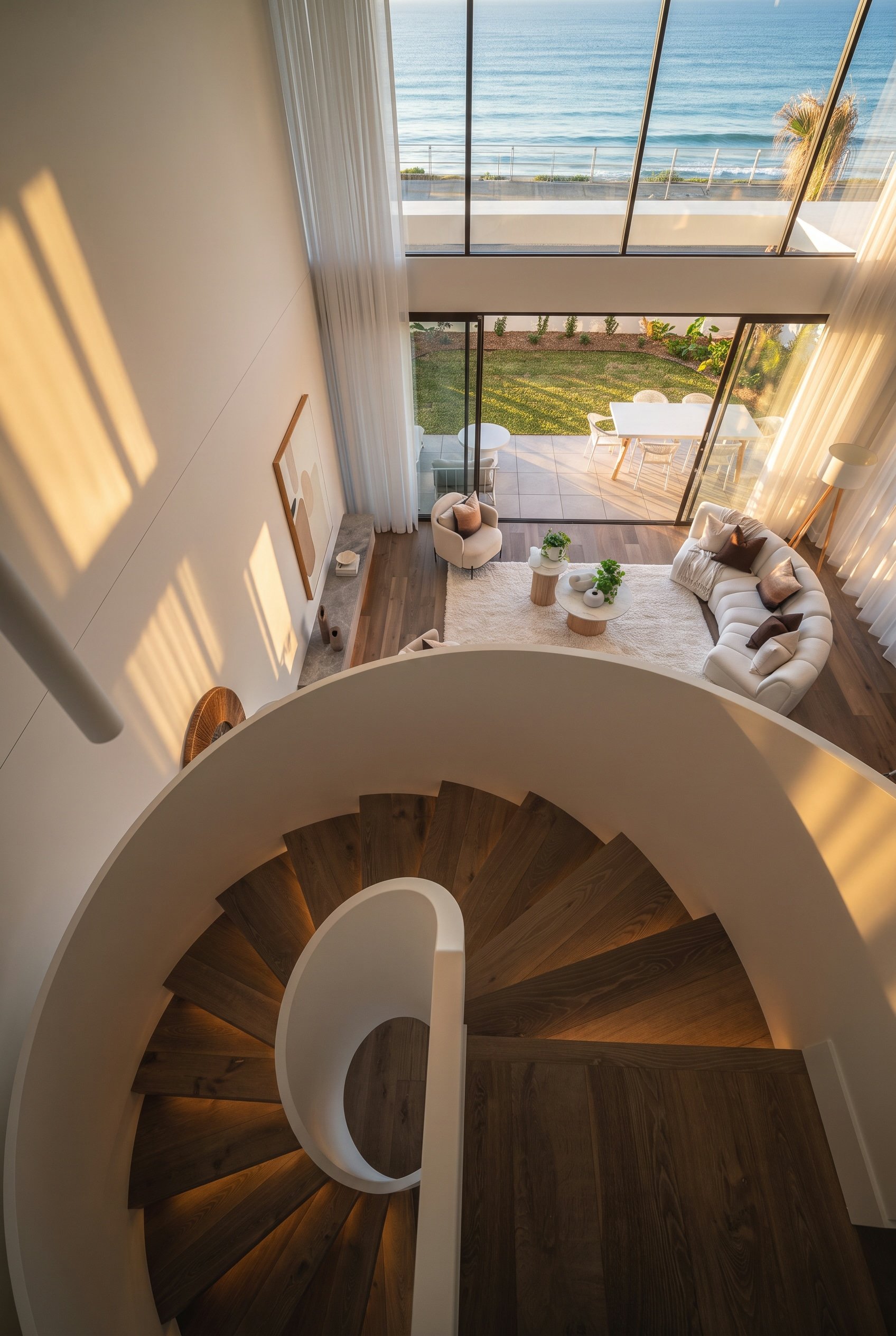
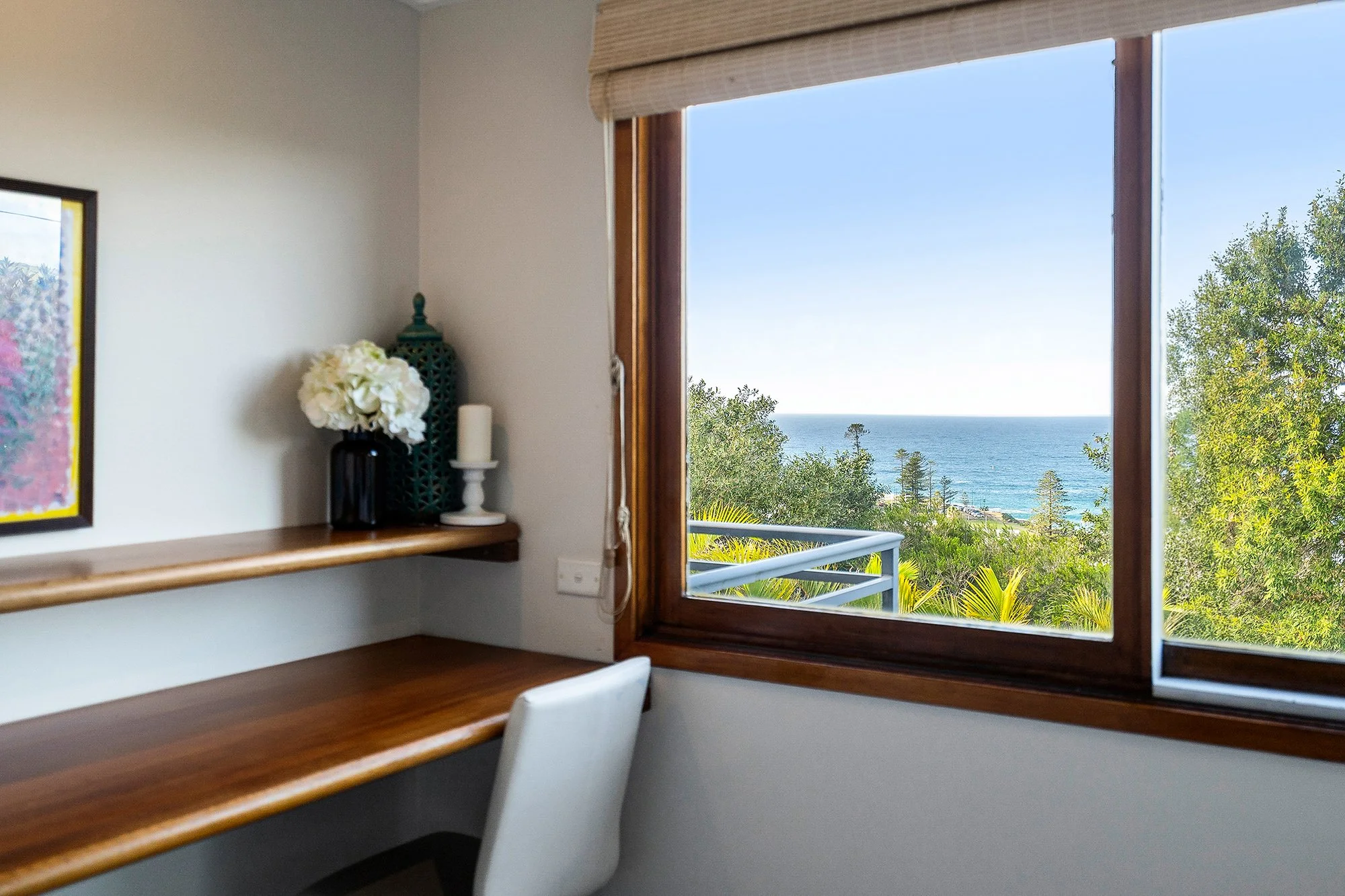
Every standout feature earns its own photograph. A skylight, a courtyard fig tree, a view of the harbour bridge from the balcony — these are the reasons someone chooses this property over an identical one two doors down.
The Sydney-Specific Challenges
Sydney presents a few challenges that aren't universal. Narrow terrace houses in the Inner West mean wide-angle lenses are non-negotiable, but care has to be taken not to over-distort a hallway into something cartoonish — guests grow frustrated quickly if a "spacious kitchen" turns out to be two metres wide. Coastal properties bring salt haze and glare off the water that can undermine a shot if it isn't timed correctly. Then there's the logistics: cleaners, property managers, and occasionally a same-day changeover between guests, which often means shooting within a tight forty-five-minute window before the next booking arrives.
Head south to Gerringong and the challenge shifts to crowds and weather — it's a genuine beach town, so a shot of the front deck at ten o'clock on a summer weekend will be full of beachgoers walking through the background unless I arrive earlier or later, or switch to a longer lens to compress the scene and shoot around them. Wollongong and the surrounding towns bring their own kind of unpredictability: the escarpment generates its own microclimate, so a property can sit in full sun while cloud rolls in over the hills behind it. I've learned to watch that horizon rather than rely on the forecast on my phone.
The Details That Make the Difference
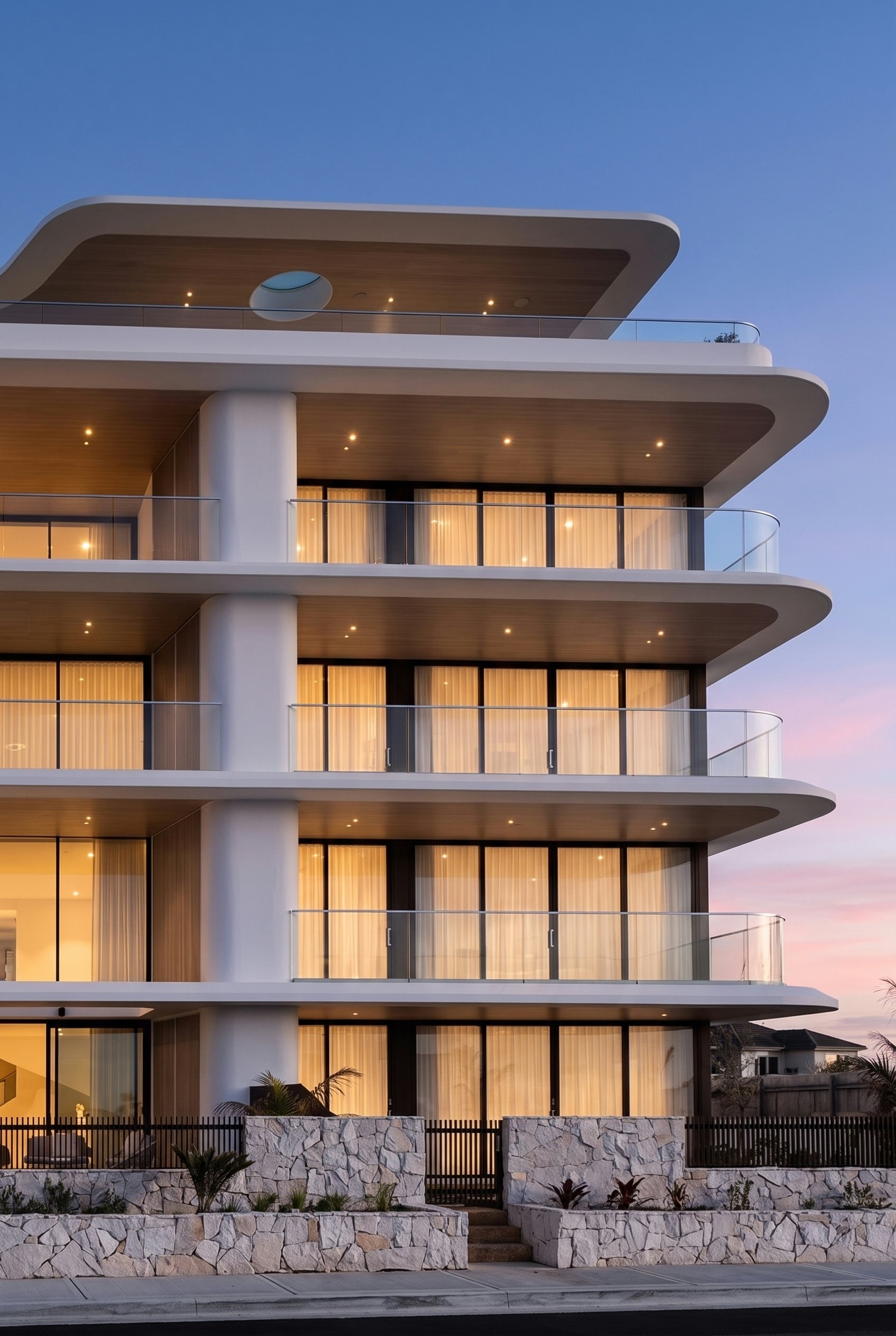
Over time, certain habits separate an average shoot from one that actually converts bookings. I always take note of the exterior and street approach first — it's the first thing a guest sees on arrival, and it sets expectations. I photograph the walk from car or station to front door, because "how do I actually get there" is a genuine source of guest anxiety. I get a clean, well-lit shot of the check-in mechanism, whether it's a lockbox or a smart lock, because it quietly reassures people the stay will run smoothly. None of this is glamorous, but it's the kind of detail that reduces cancellations and poor reviews.
Why I Keep Doing It
What I value about this work is that it's photography with a job to do. Every image has to answer a guest's unspoken question: will I be comfortable here, and is it worth the money? When a listing goes from a handful of bookings a month to fully booked out, and the property manager tells me the photos made the difference — that's the whole reason I do this. Sydney and the south coast is a beautiful stretch to shoot — the light, the water, the mix of old terraces, new apartments, and beach houses — and there's something genuinely satisfying about helping a small terrace in Marrickville, a harbour-view unit in North Sydney, a beach pad in Cronulla, or a cliffside cottage near Wollongong find its audience, one well-composed photograph at a time.