Elevating the Listing - Drone Photography and Video: What Twelve Years in the Air Has Taught Me
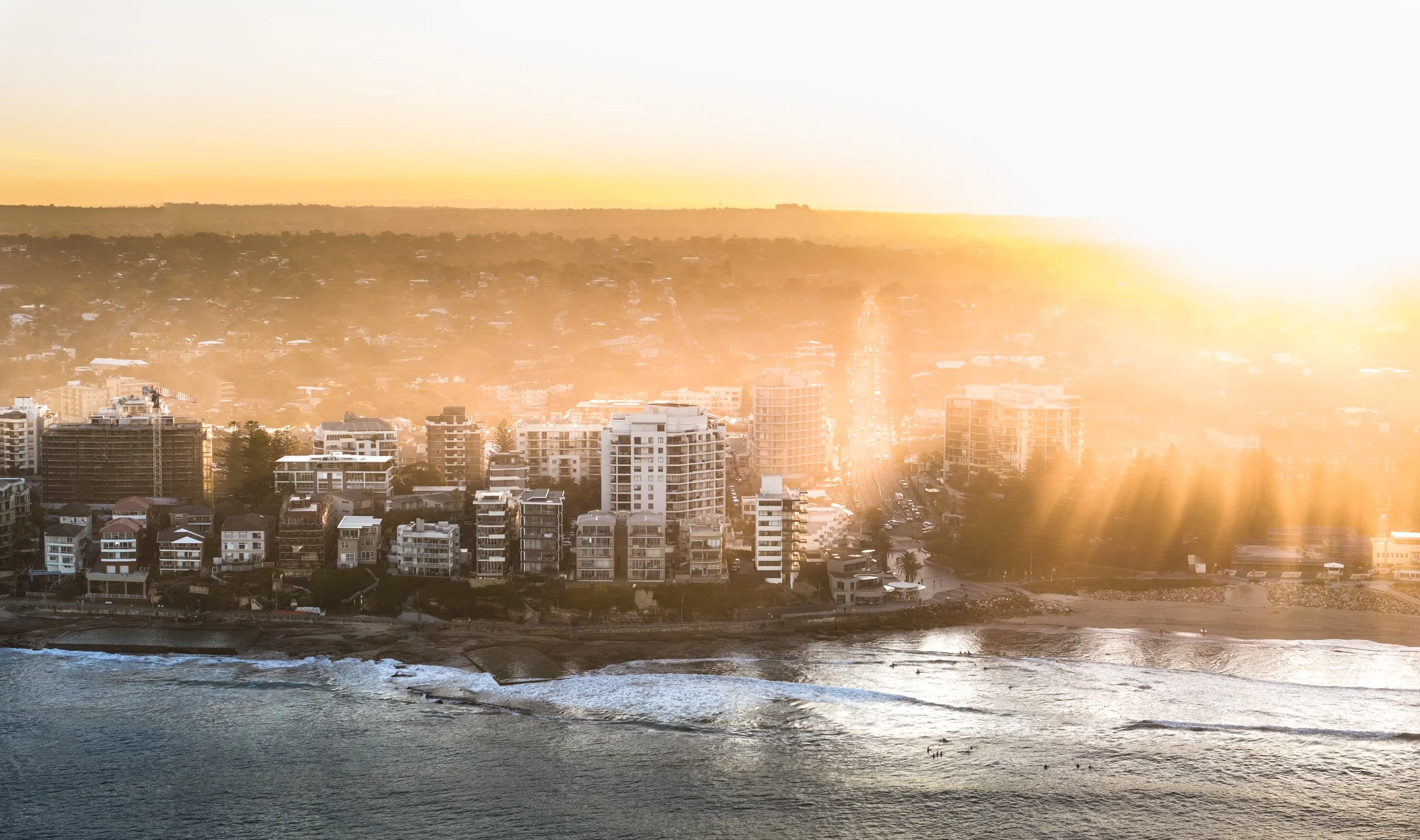
I've been flying drones for twelve years, and that experience shapes almost every decision I make before a shoot. It's often assumed that a drone shot is simply "the same photograph, taken from higher up." In practice, it's a good deal more than that. A drone shot doesn't just show a property — it shows where that property sits in the world, and for buyers and guests alike, that context is often half the decision.
Up and Away
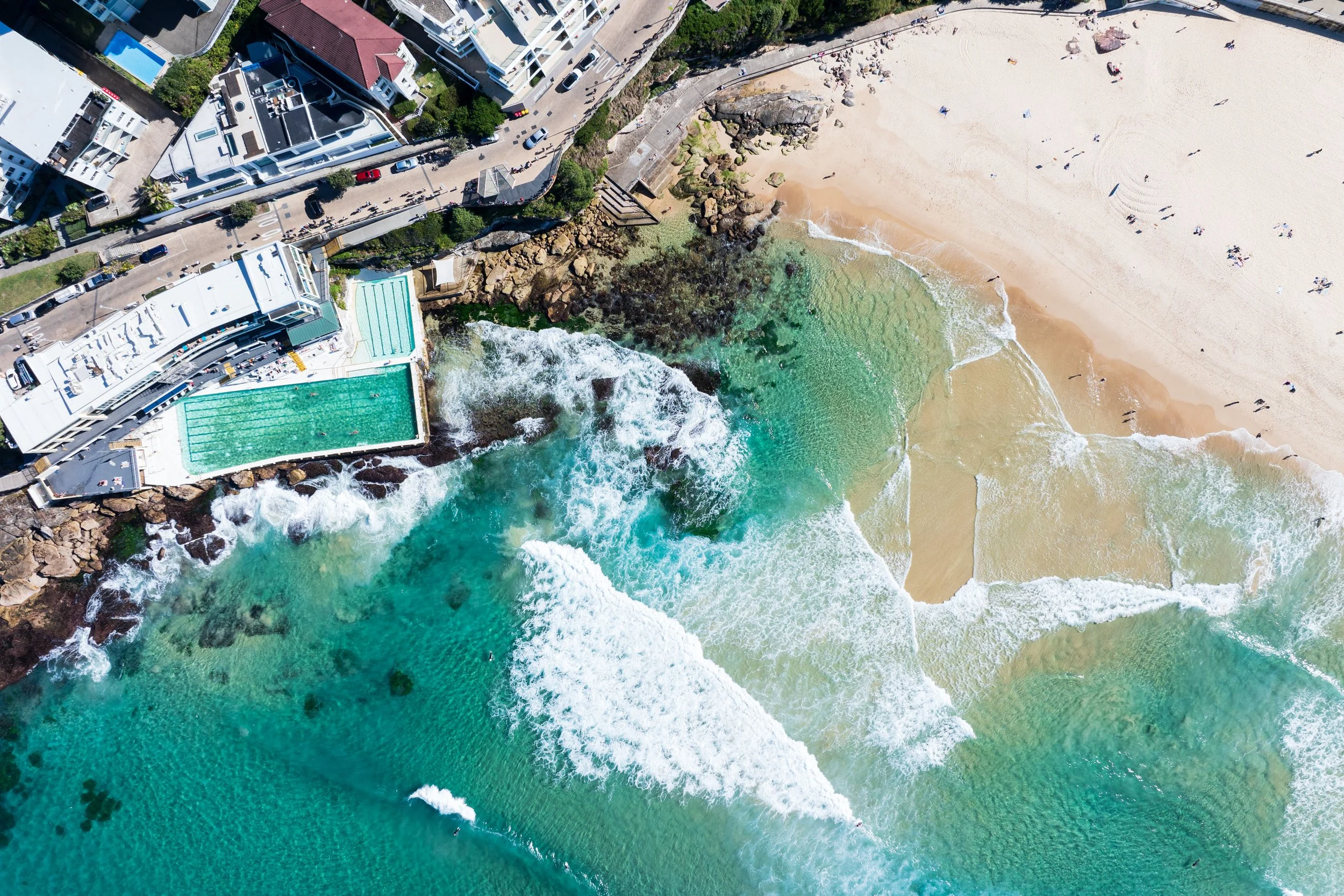
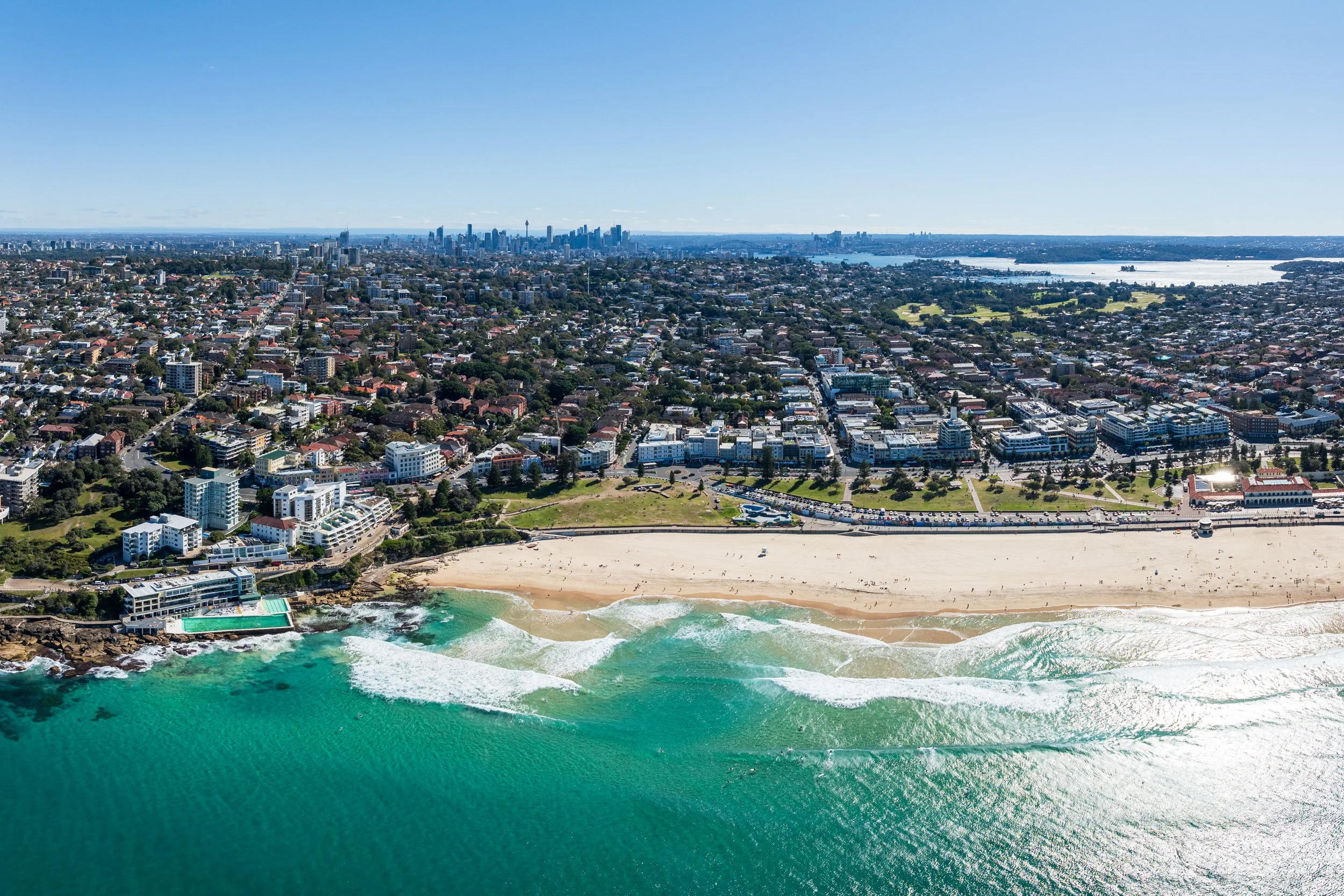
Light behaves differently in the air than it does at ground level, and it has taken years of flying to properly understand how to use it well. From above, haze and glare off the water become far more pronounced than they appear from a balcony, so timing matters even more than it does on the ground. Early morning, before the heat builds and the air turns hazy, is when the water around Sydney reads at its clearest.
Working further from the city changes the calculation again. Closer to Wollongong, the escarpment creates its own wind patterns, so a flight that's smooth over the water can turn rough the moment you push inland toward the hills. Reading conditions like that isn't something one picks up quickly — it comes from a great many hours in the air, watching how wind and light shift across a single morning.
Preparation Over Confidence
Flying a drone looks simple from the ground, and that's precisely what makes it risky in the wrong hands. A drone is a fast-moving piece of equipment operating above someone's home, and a moment of overconfidence is enough to turn a routine shoot into a costly mistake. After twelve years of flying, I still run the same pre-flight checks I did in my first year — wind speed and direction, battery health, GPS lock, and a clear read of my surroundings before a single rotor turns. I also fly fully insured on every job, as a matter of course rather than something I mention up front. Preparation isn't a formality to me — it's the difference between a successful flight and one that goes wrong.
Two Markets, One Shot
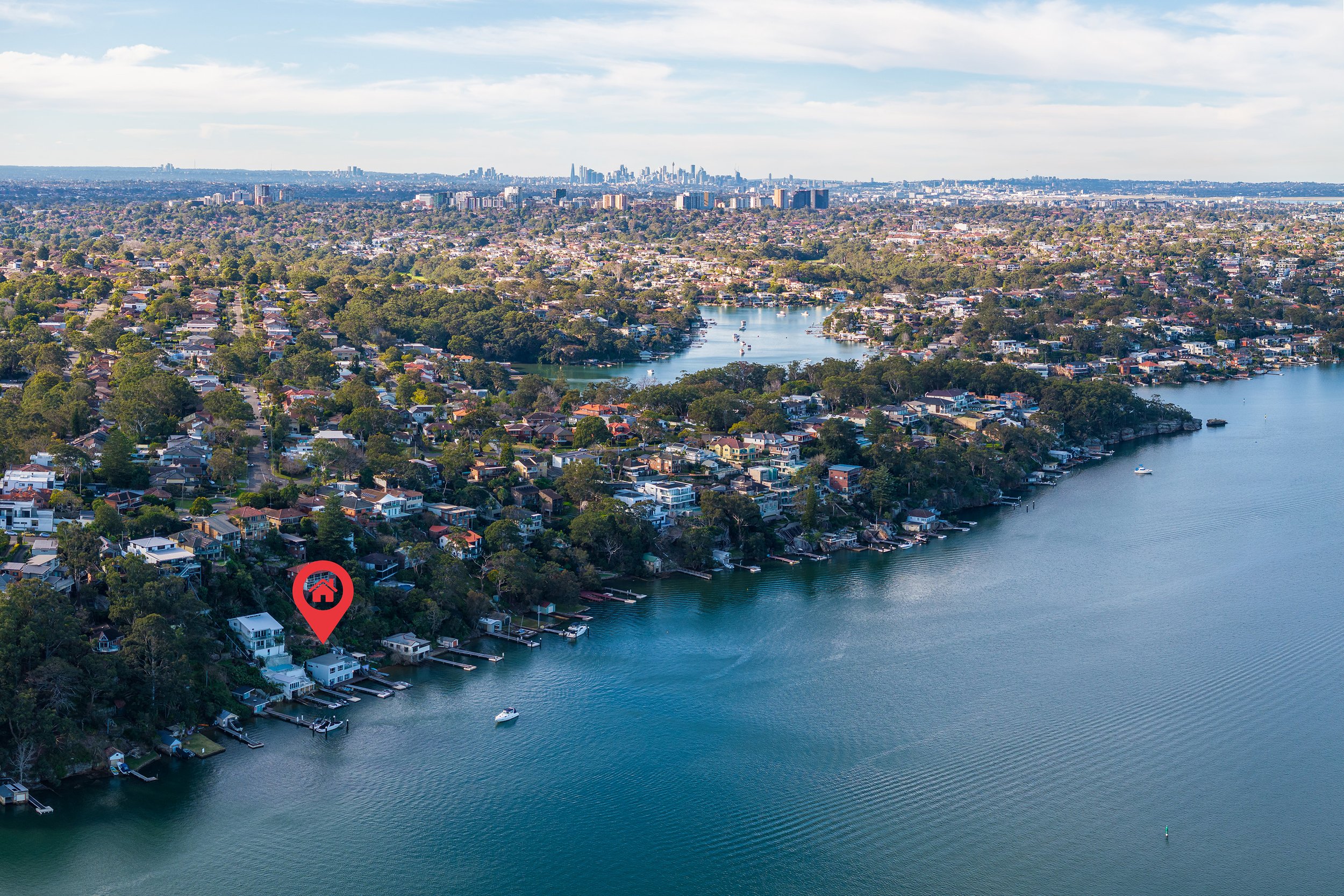
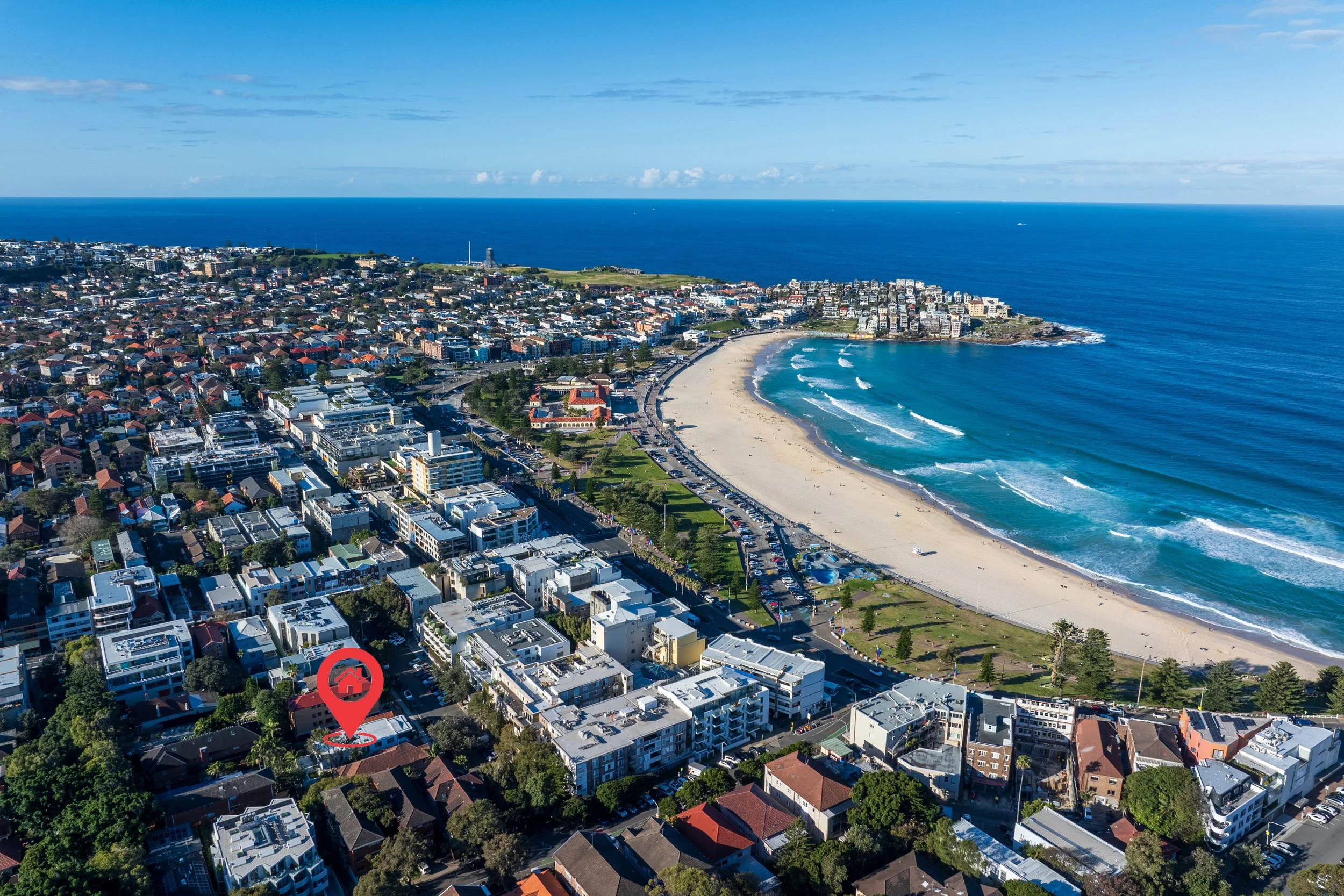
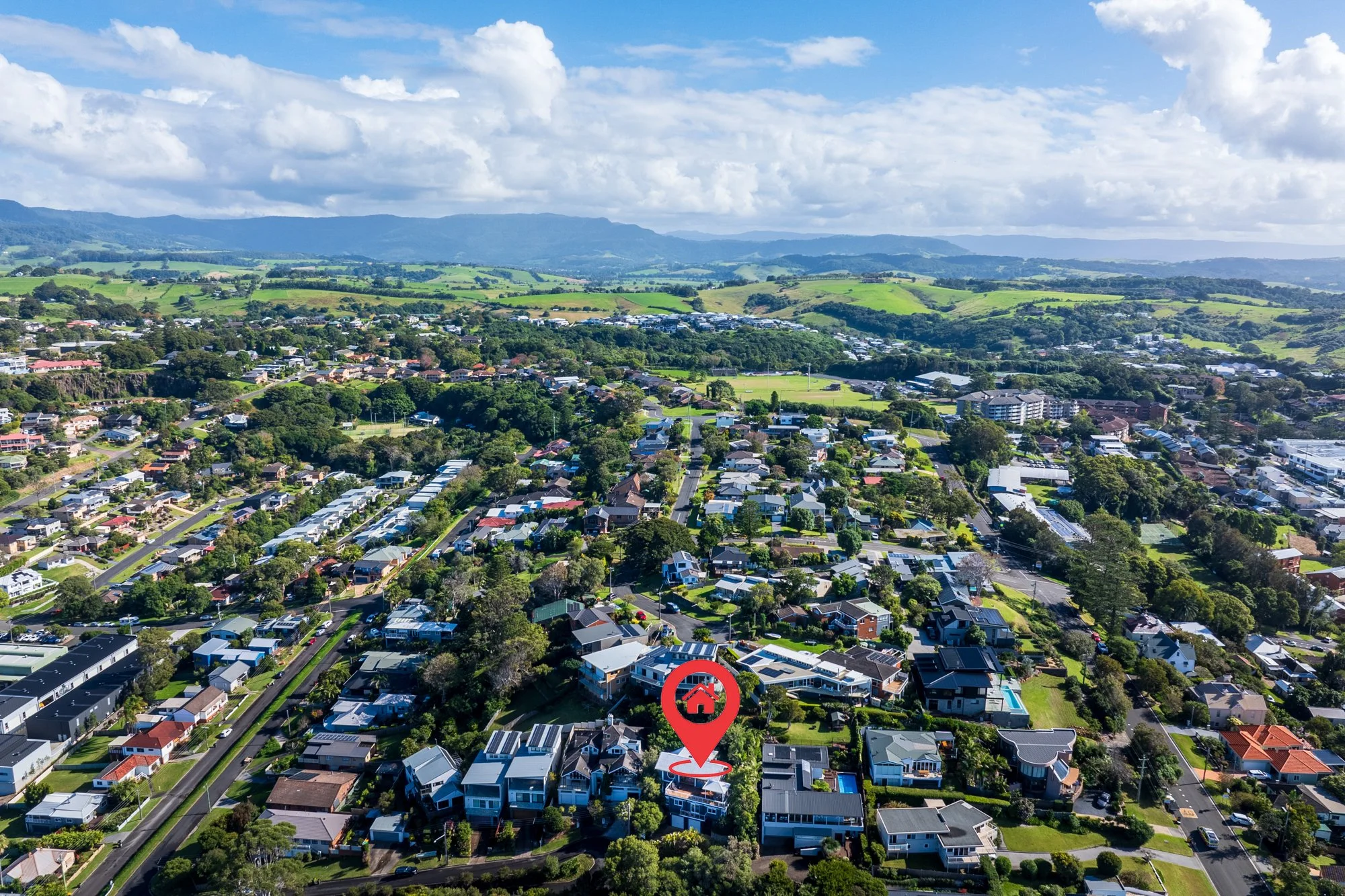
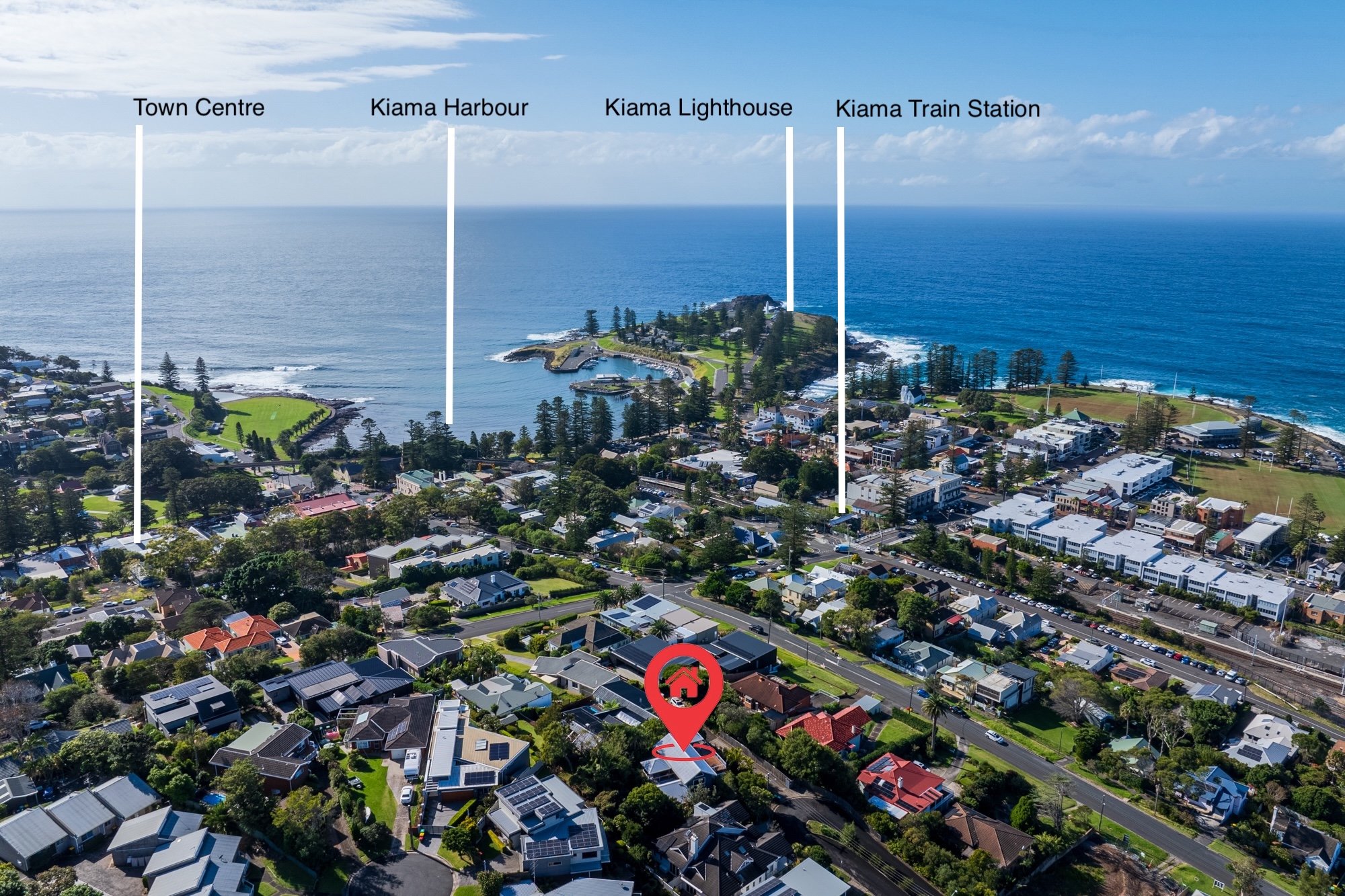
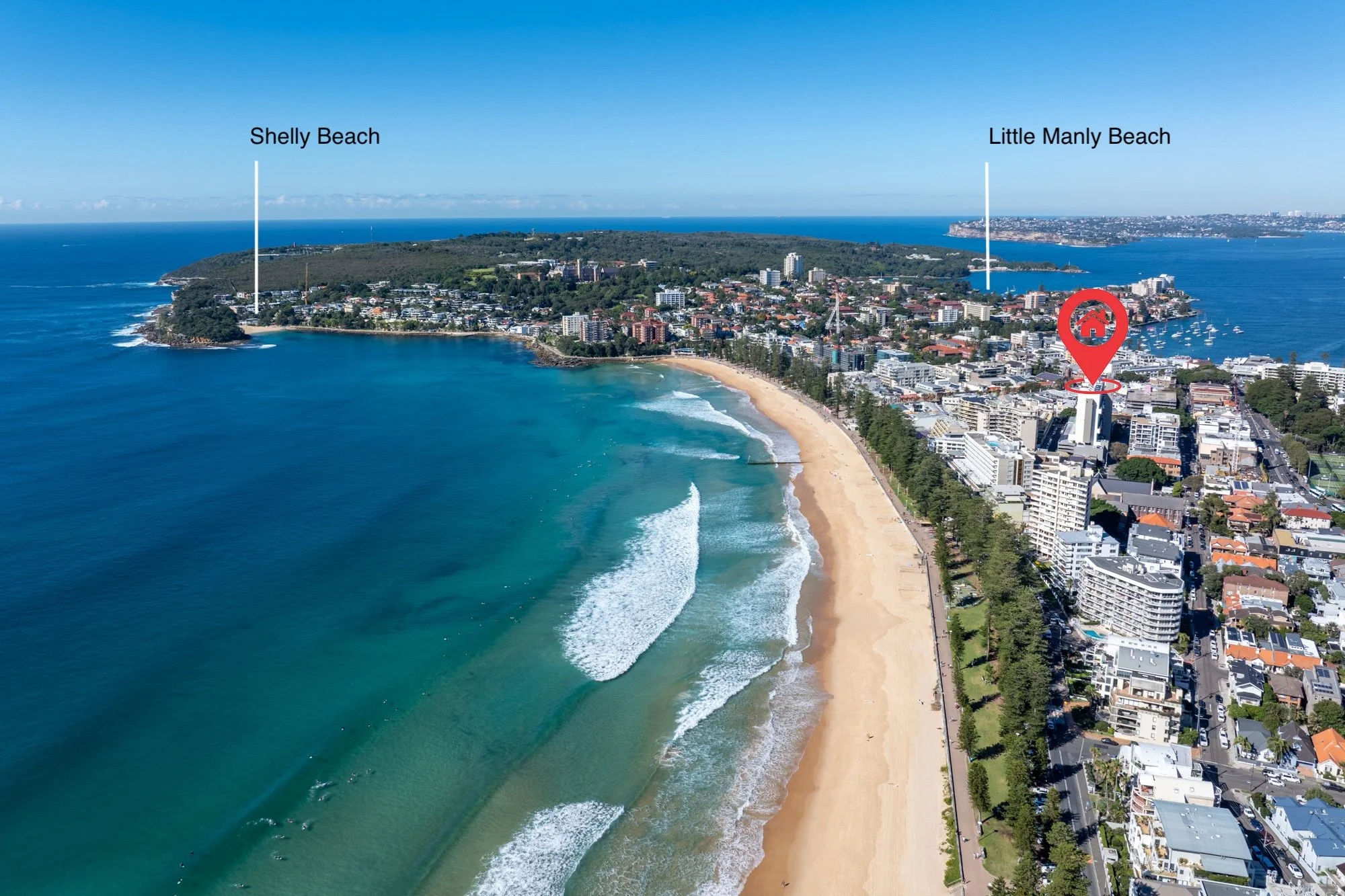
For a real estate listing, an aerial shot places a property within its neighbourhood — the block size, the pool, the proximity to the water or a park, the way a house actually sits on its land. It's often the shot that convinces a buyer to book an inspection in the first place.
For a short-term rental listing, drone footage does something slightly different: it sells the experience of staying there. A guest scrolling through a listing wants to picture the walk from the door to the water, or the view from the rooftop at sunset, before committing a single dollar. A well-shot aerial clip can answer that in ten seconds flat — something no amount of written description manages.
Telling the Story, Not Just the Address
A single ground-level photograph tells a viewer what a room looks like. A drone shot tells them something closer to what life there might feel like. That distinction matters most for video, which is where drone footage tends to add the greatest value.
The opening shot of a video is an opportunity to make a strong first impression. A slow reveal that begins high and descends toward the property gives the viewer something worth pausing to watch as the video begins, and sets a calm, considered tone for what follows.
It also helps to show a property's most compelling feature, rather than simply its address. If a listing is a short walk from the water, it's worth showing that walk from above rather than mentioning it in passing.
Video generally benefits from a degree of restraint. A longer, steadier aerial clip often works better than a succession of quick cuts, particularly since guests and buyers are usually viewing on a phone, sometimes with the sound off.
The Details That Make the Difference
There are a few habits I've developed over the years that separate a forgettable drone clip from one that actually gets used. I always fly a full establishing loop before framing the "hero" angle, because the best angle is rarely obvious until the property has been seen from every side. I shoot in both 16:9 for listings and a vertical crop for social media, since a beautiful wide shot is often wasted if a client only ever posts to Instagram Stories. And I always land with a few seconds of extra footage before and after the shot I actually want — editors are grateful for the buffer, and so is my own future self at nine o'clock at night, trimming a clip.
So What Is Drone Photography and Video, Really?
At its simplest, drone photography and video is about giving a property a sense of place — showing the land, the water, the street, and the surrounding area, rather than only the four walls within it. For a real estate listing, it can be the shot that brings a buyer through the door. For a short-term rental, it can be the ten seconds of footage that convinces a guest to book. But it only works when it's flown properly, by someone who understands light, wind, and how to operate a drone safely around other people's homes. After twelve years in the air, that is what I bring to every shoot — not simply the equipment, but the judgement to use it well.
If you're listing a property for sale or for short-term rental, a well-shot aerial sequence remains one of the simplest ways to make it stand out — and it's exactly the kind of shot I've spent over a decade learning to get right.